The world's highest enduro race
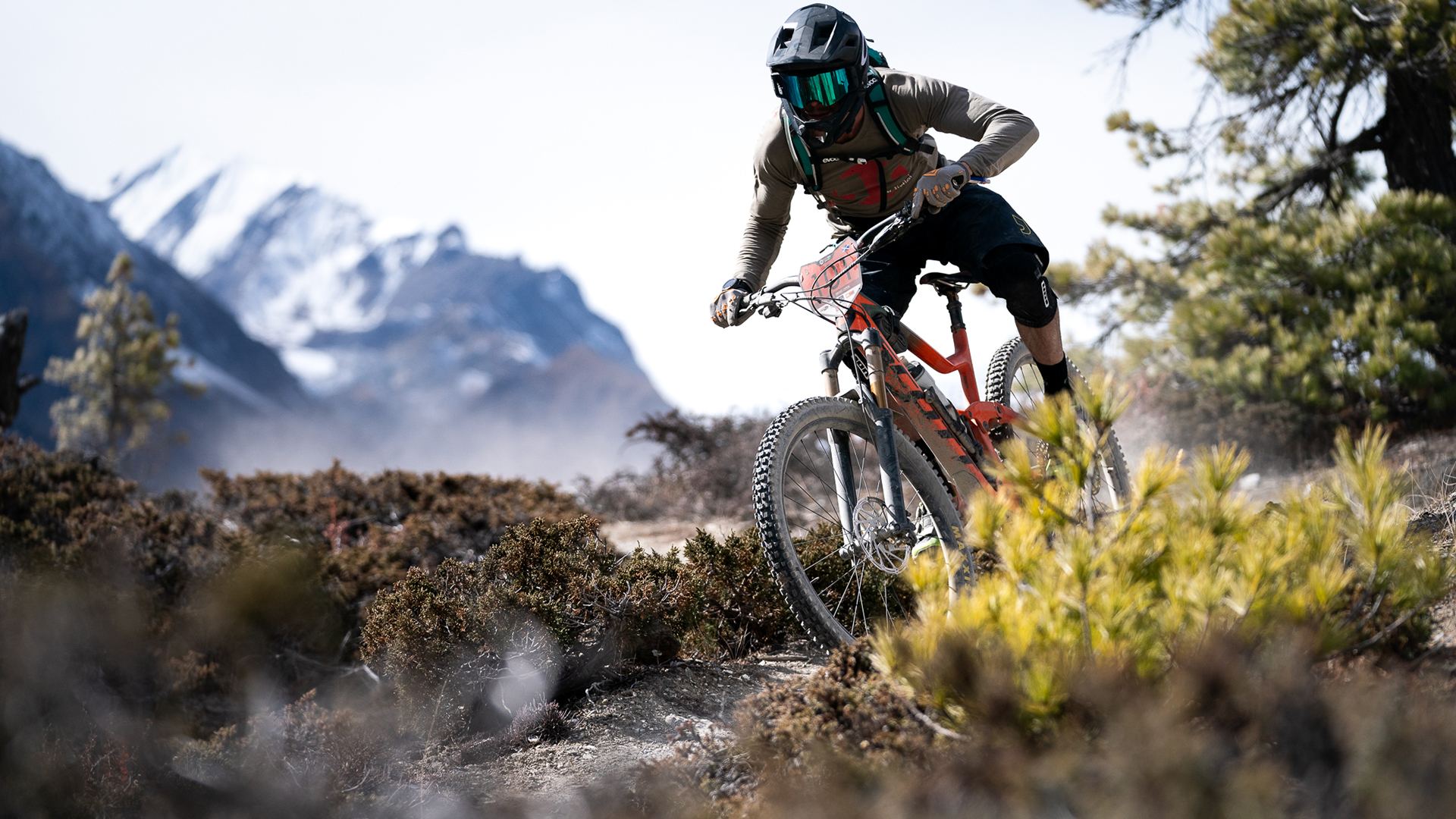
Three days of timed descents between 3,300 and 4,300 metres in Manang, Nepal. Only 40 riders make it to the start.
The date of the next Yak Ru Enduro is not confirmed yet. Riders on the list hear first.
Three days of racing, five days of riding
Yak Ru runs in the Annapurna Conservation Area, in the Manang District. Climbs and flat sections are untimed. The descents are timed. Your times from the three race days add up to your overall result.
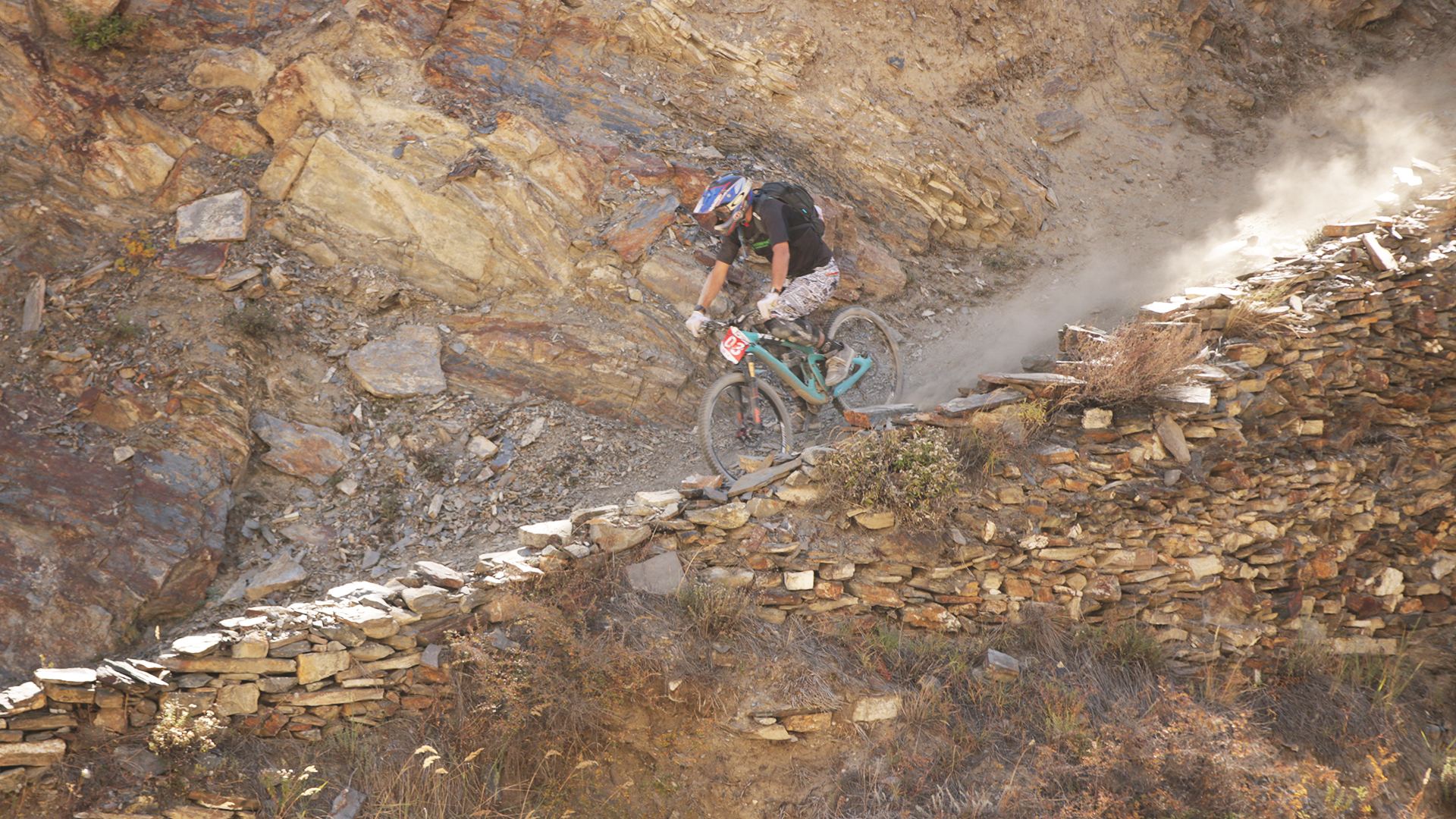
A short, relaxed acclimatization ride comes before the first race day, and a longer celebration ride follows the last one. The structure gives your body time to adjust to the altitude, and it leaves room for the exposed, rugged descent on the way back, which is also the best place for photos.
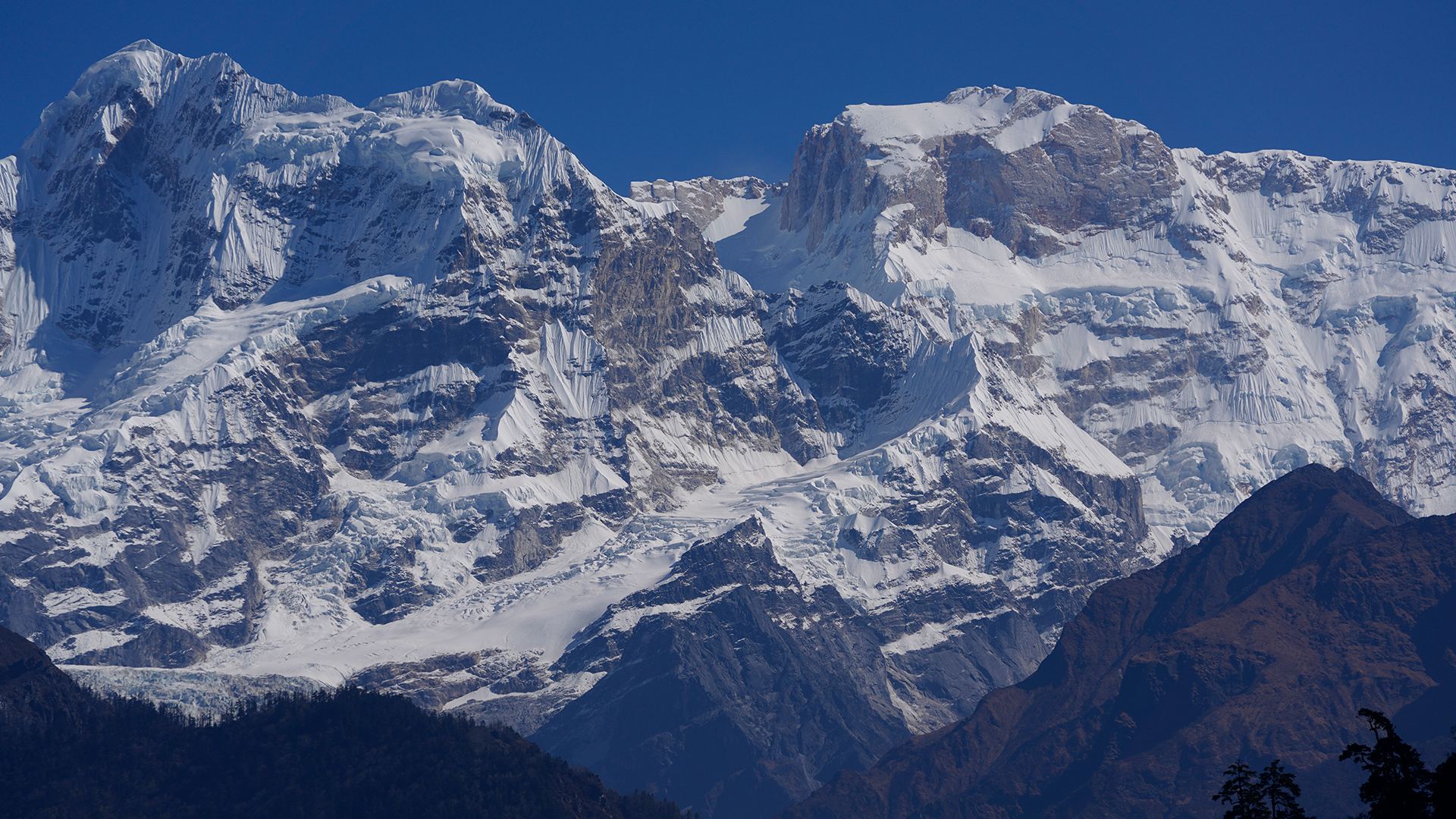
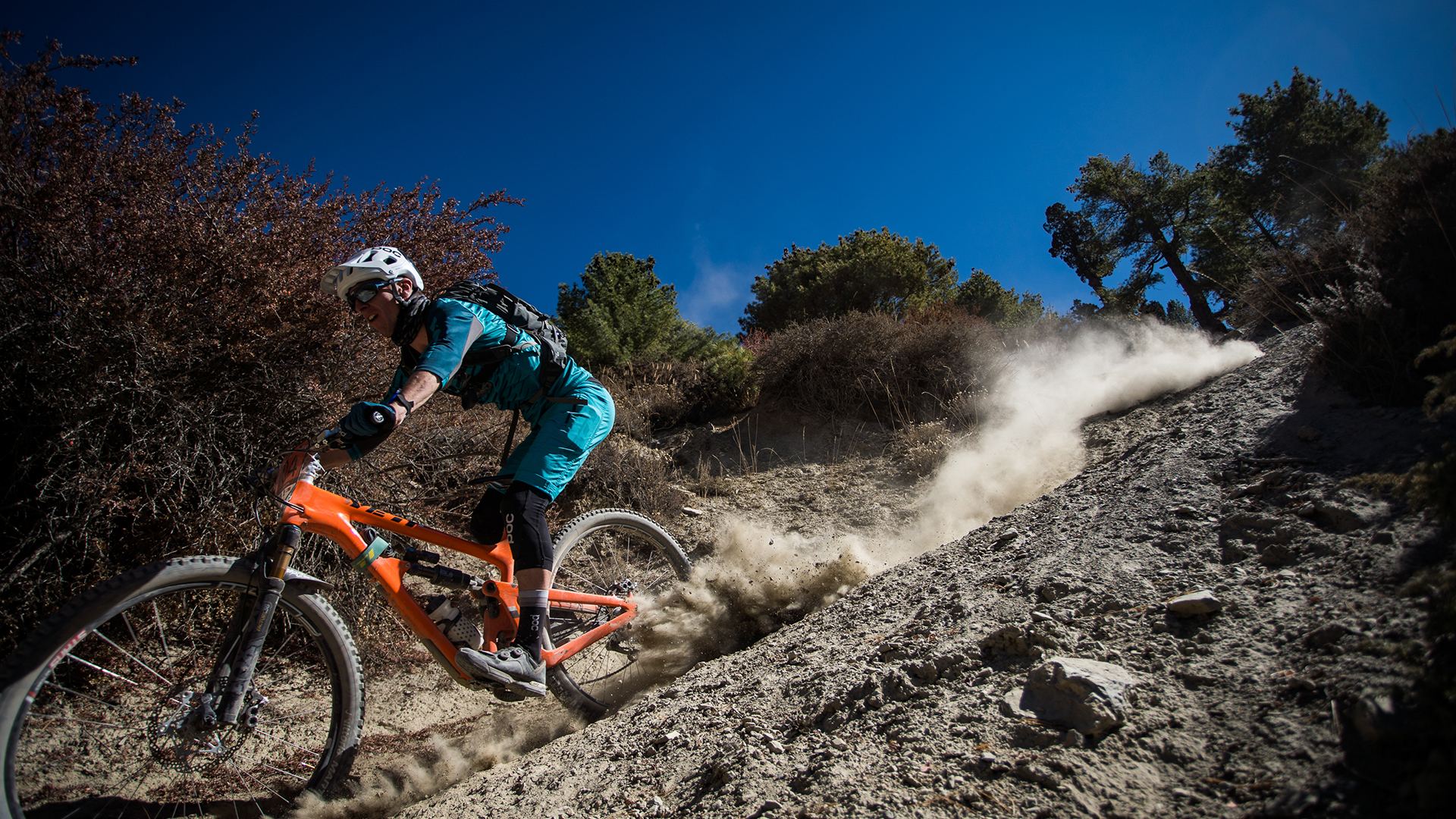
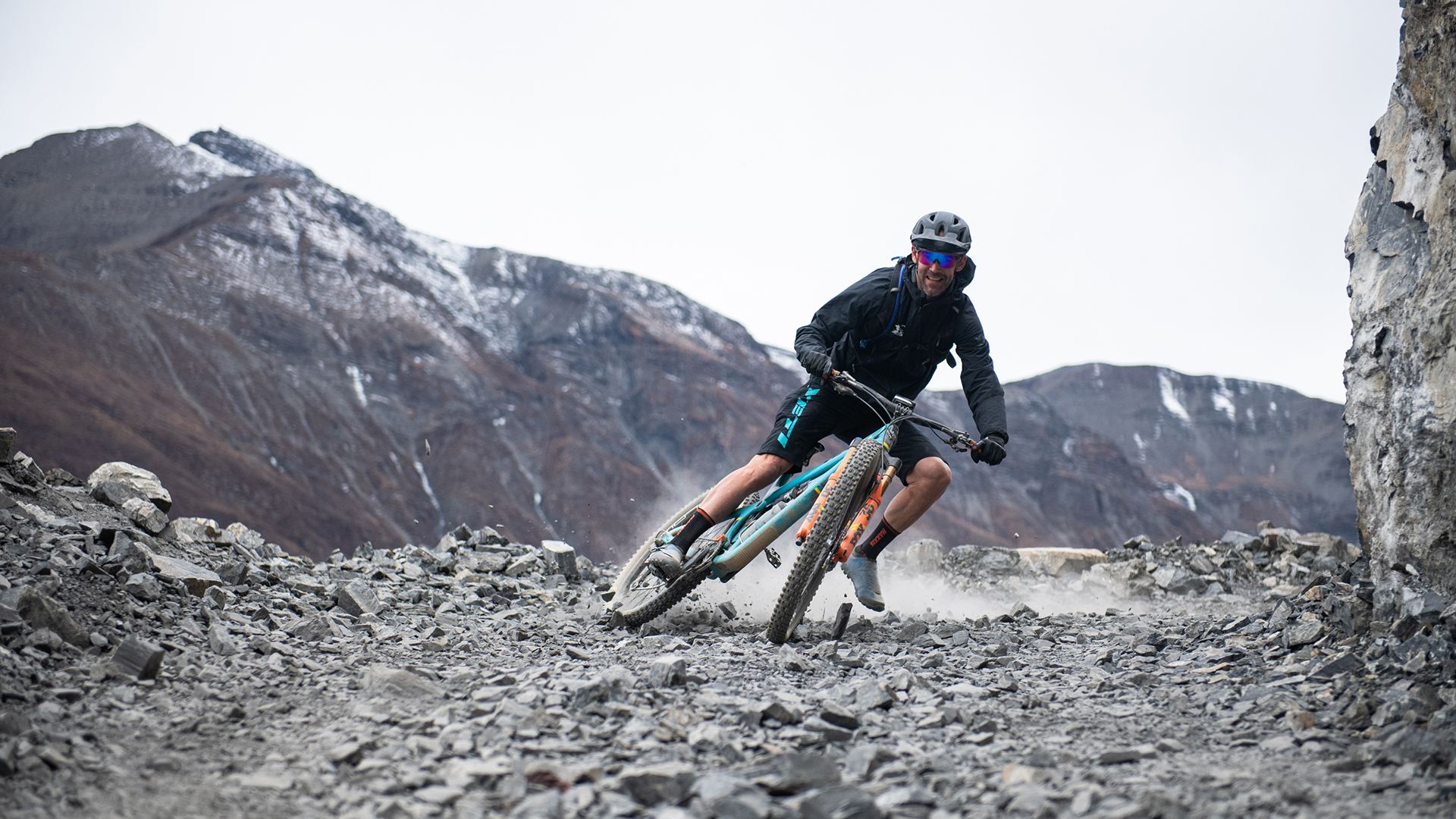
The stages sit between 3,300 and 4,300 metres on alpine and forest singletrack. Expect steep and technical sections, flowy sections and loamy ones, in the shadow of some of the highest mountains on Earth.
- Race days
- 3 days, with 2 to 3 timed sections each day
- Riding
- 3 to 6 hours a day
- Total riding
- 5 days including the acclimatization and celebration rides
- Elevation
- 3,300 to 4,300 metres
- Field
- 40 riders
- Trip
- 10 days, mixing culture and mountains
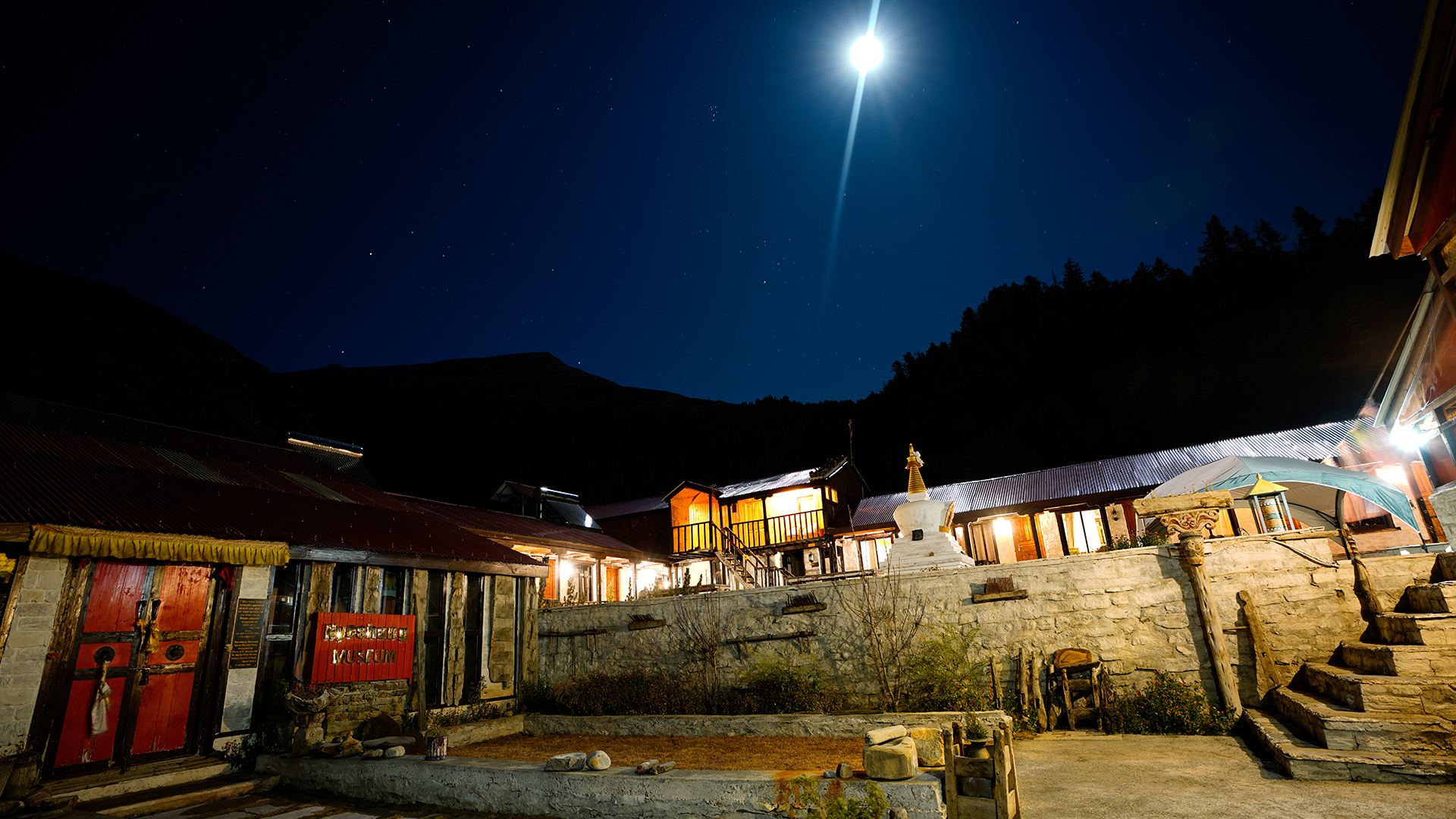
Four nights in the race village, under a full moon and the Annapurnas.
The route, from airstrip to podium
-
3,500 m
Humde airstrip
You fly from Kathmandu to a remote airstrip at Humde. The riding starts straight away, with an acclimatization ride and a prologue stage.
-
Race village
Ngawal, four nights
Ngawal is the hub of the event. The three race days start and finish here, and the village hosts the awards.
-
4,100 m
The final race day
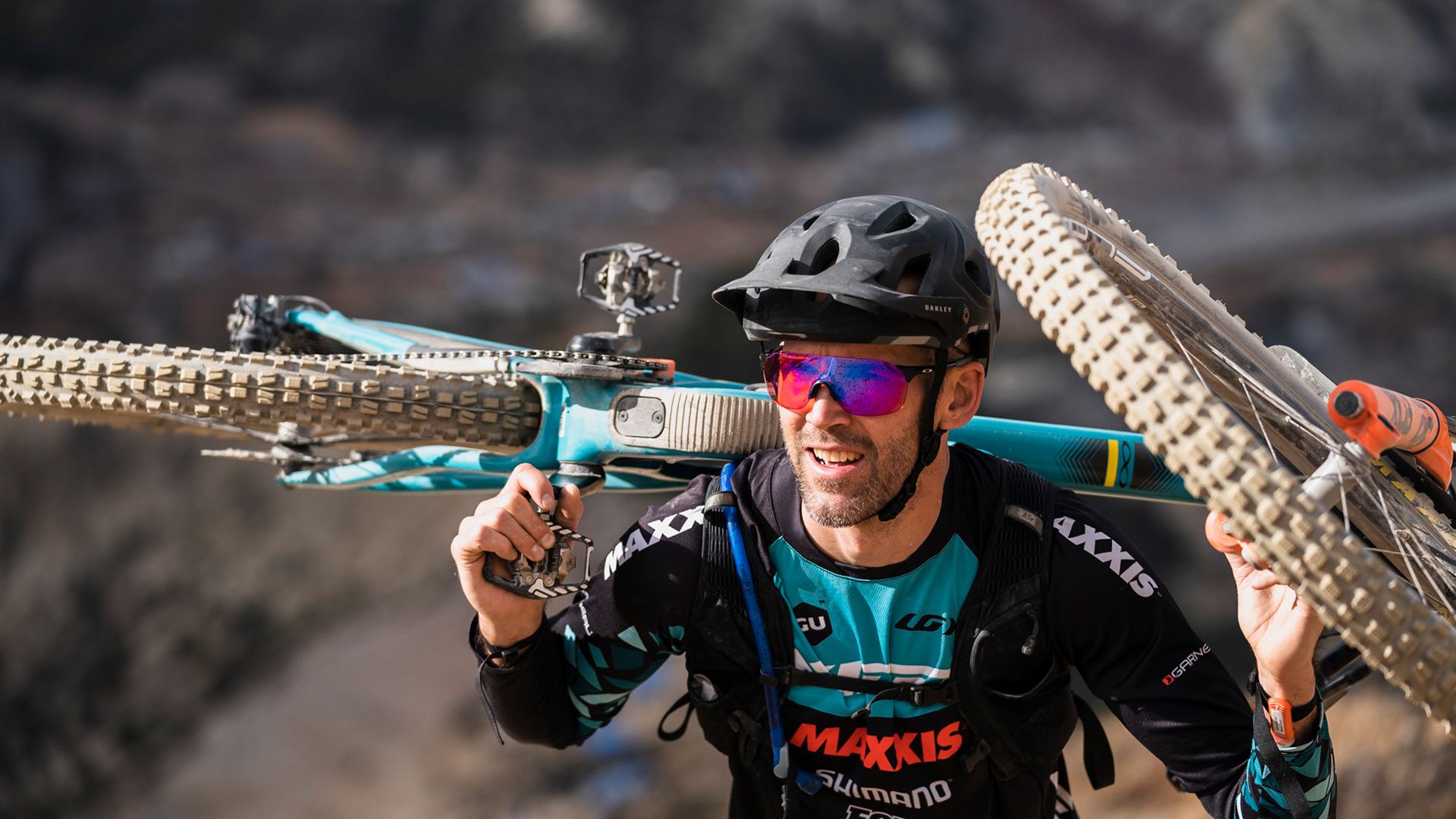
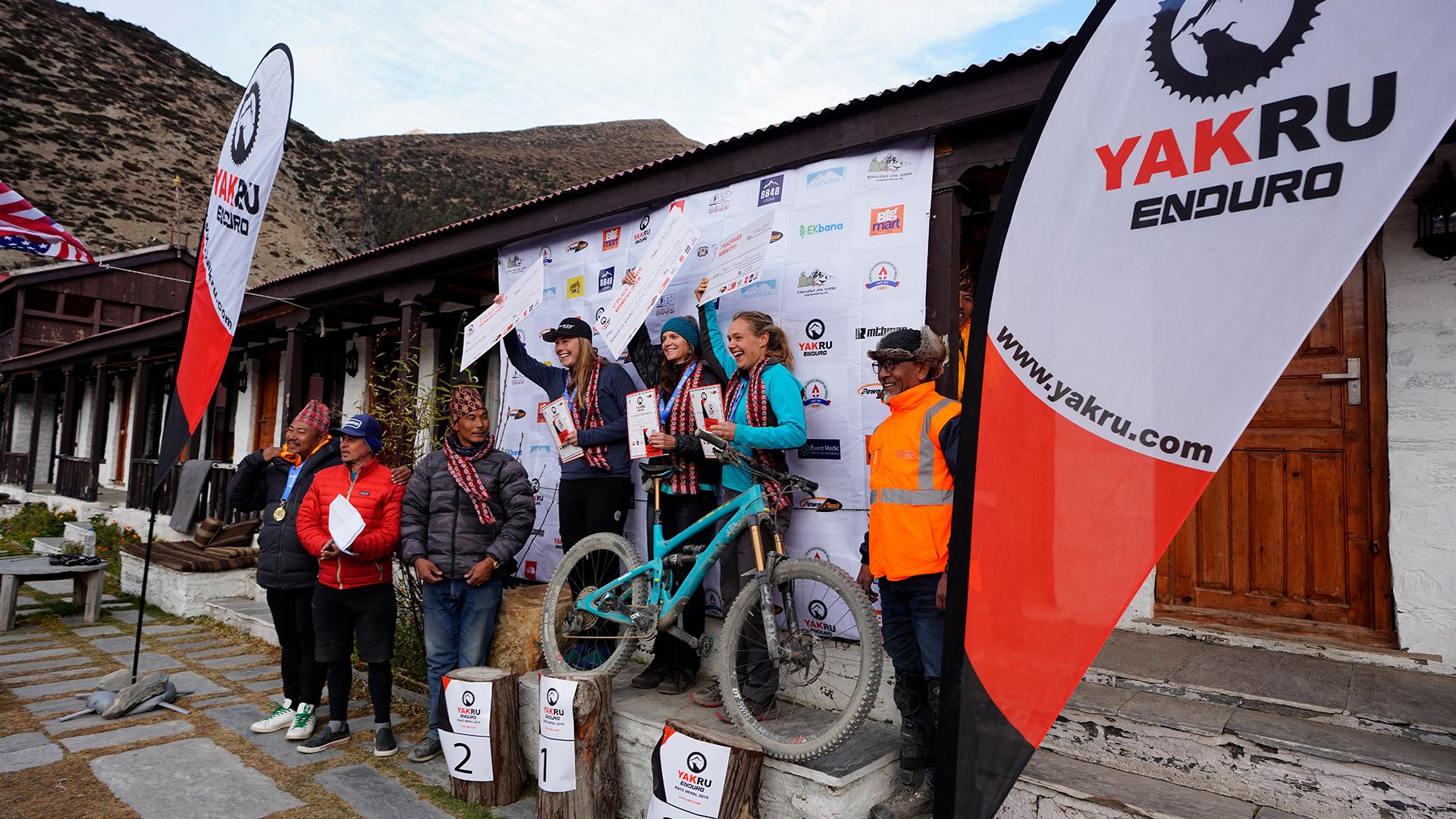
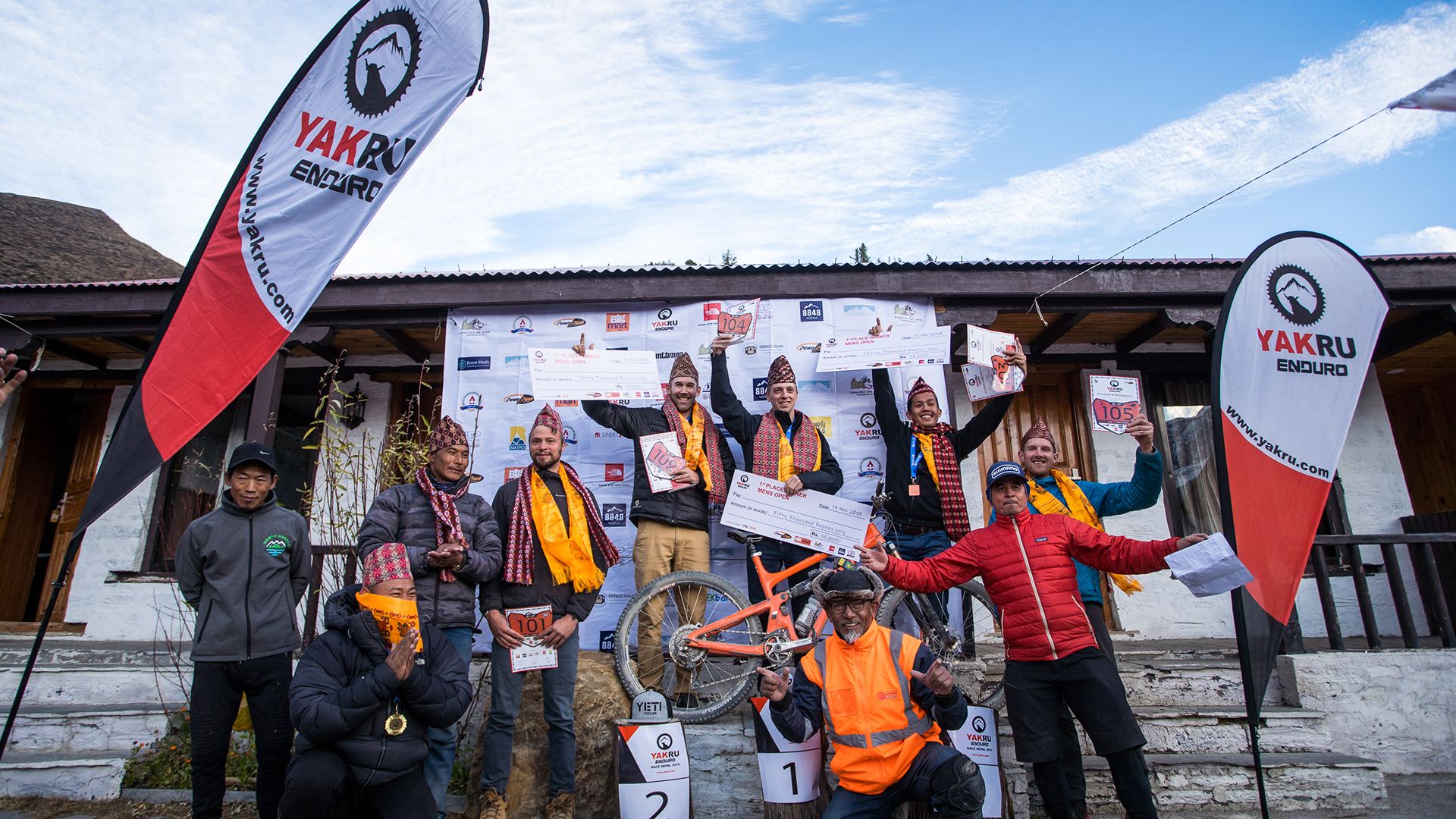
An early climb on foot, bikes on your shoulders, takes you above a monastery over Ngawal. From there everything is downhill to the valley of Humde: long, gravity led descents that close the race. The podium and awards ceremony follow in the late afternoon.
-
Tal
The ride home
The group rides down to Tal. A full day of celebration riding follows, then vehicles take you back to Kathmandu.
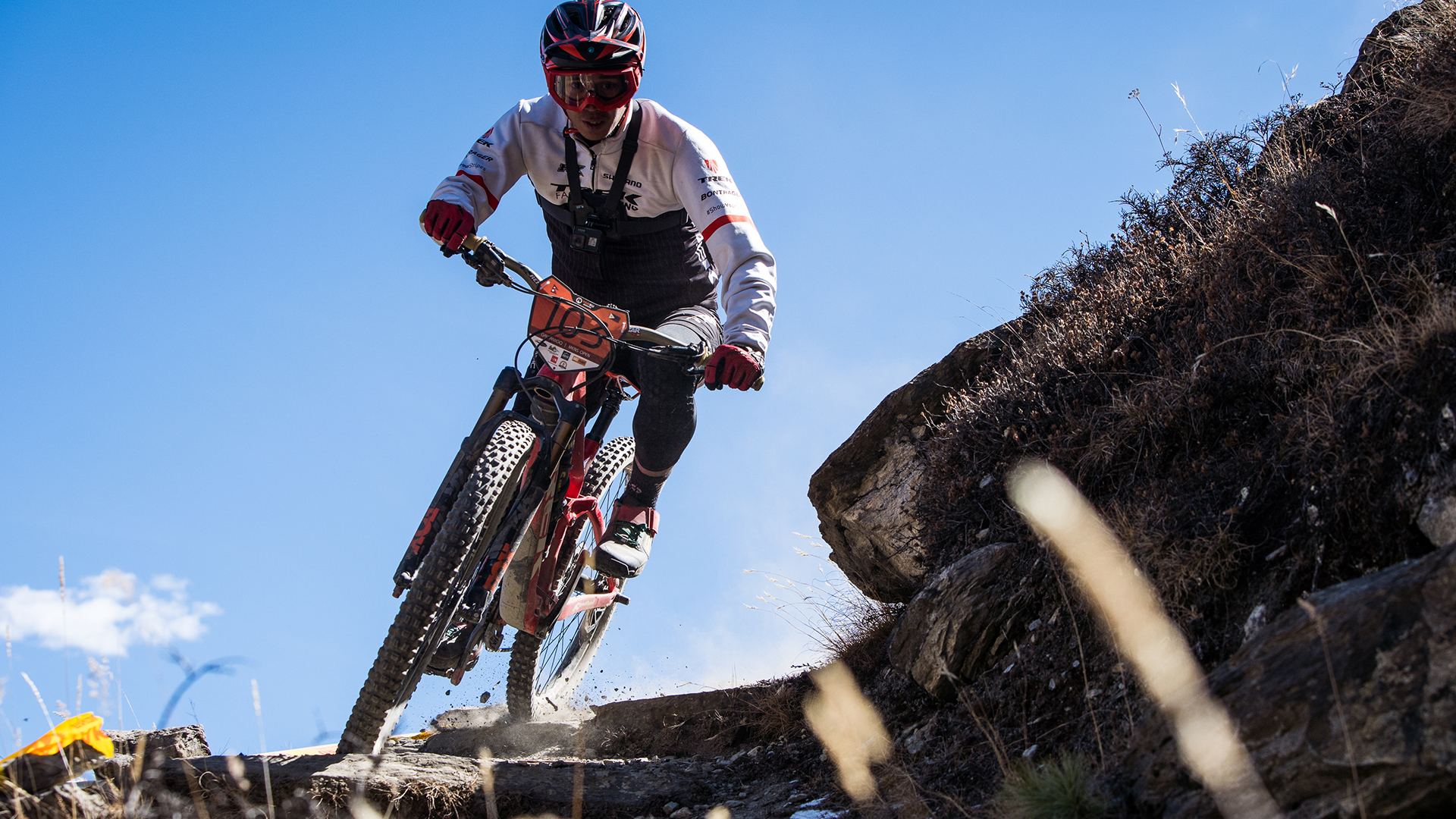
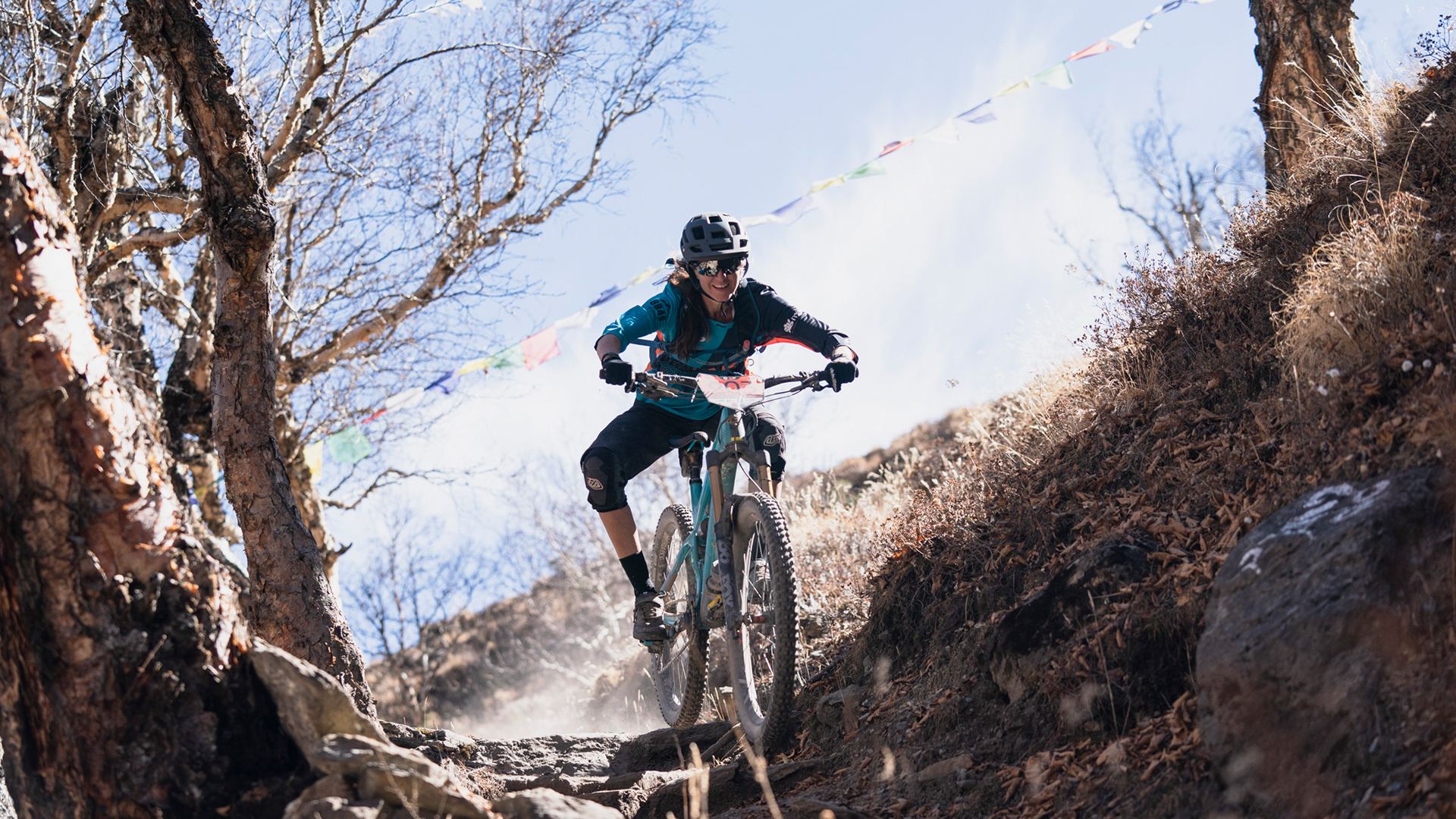
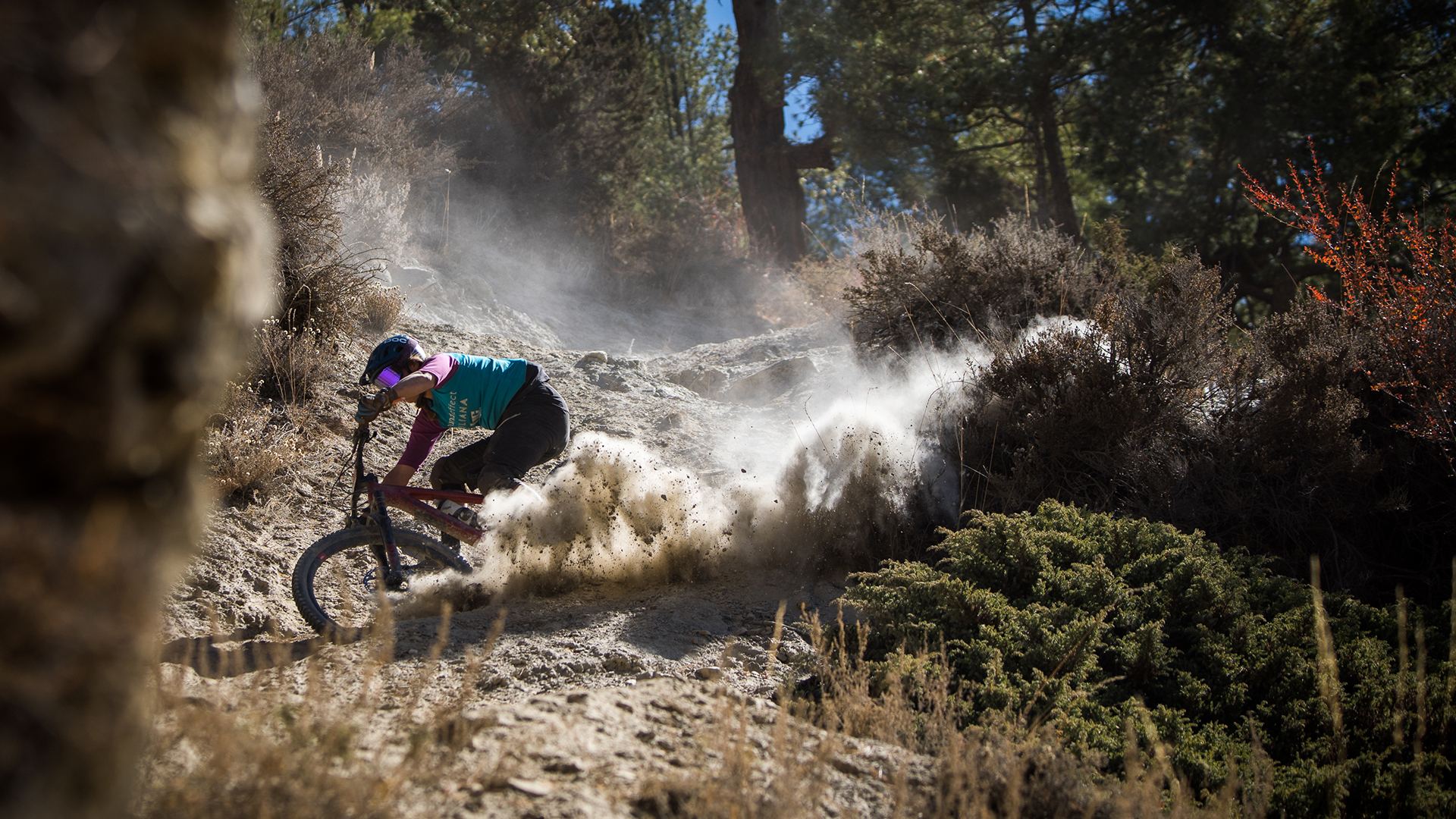
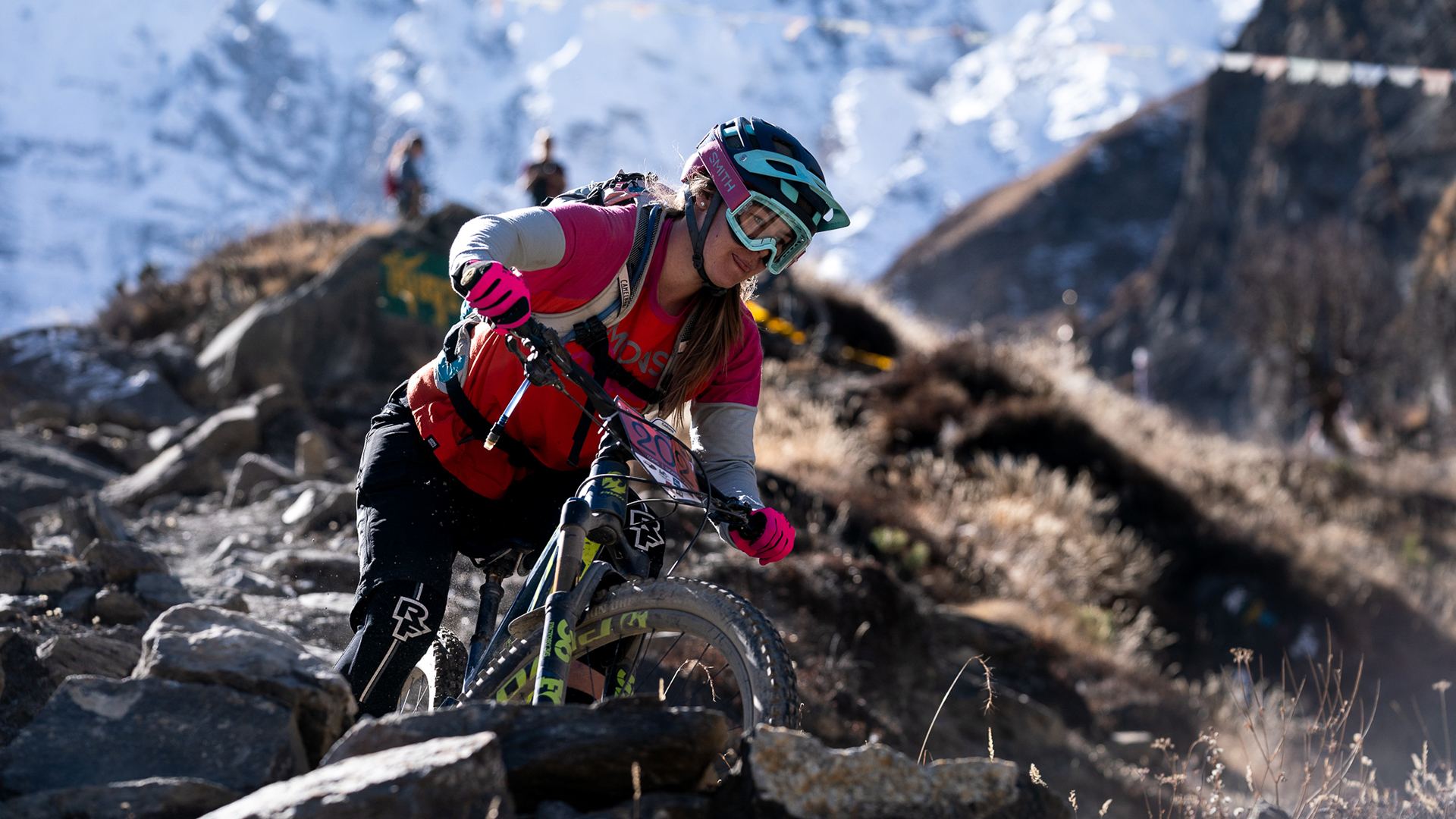
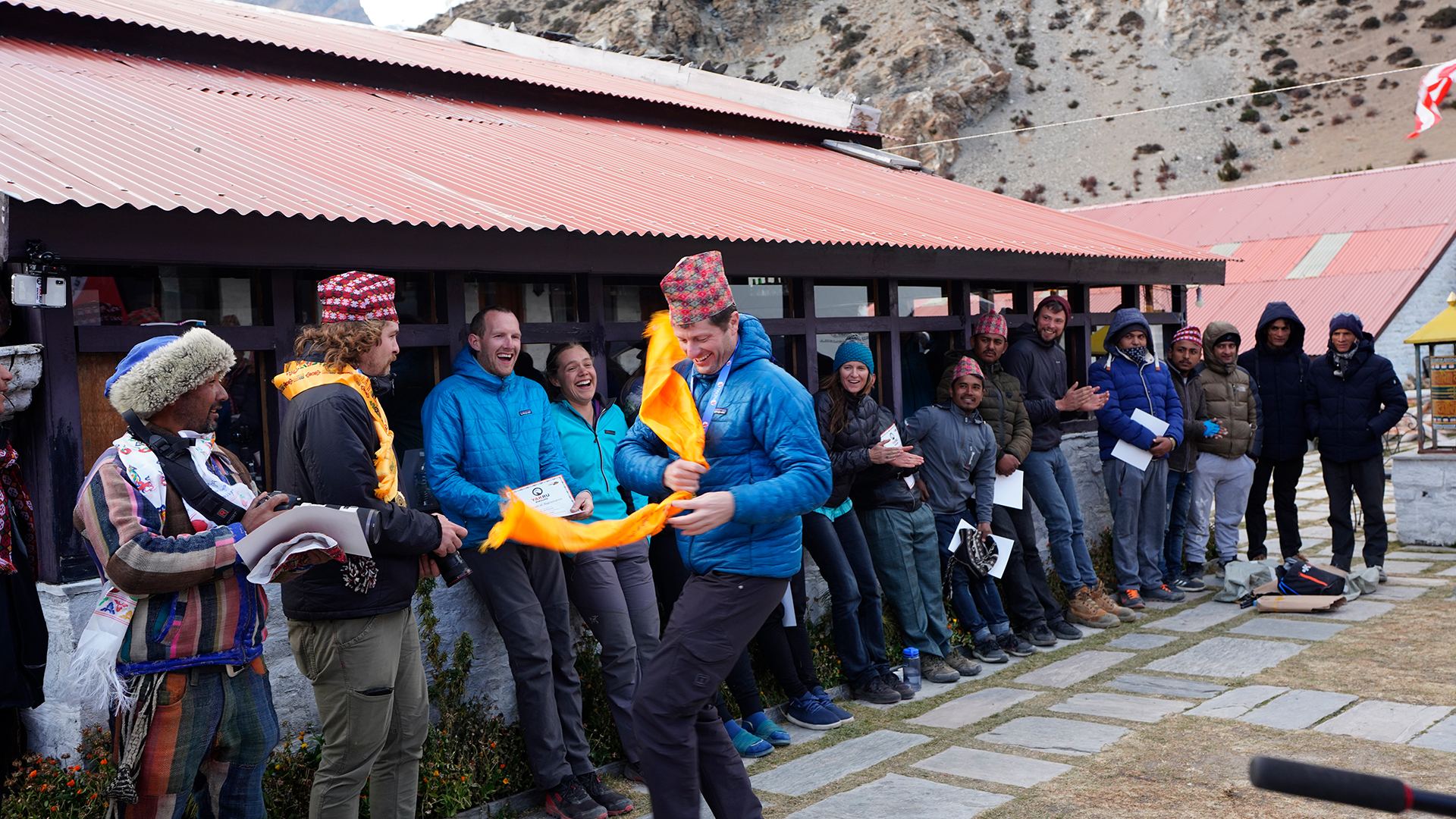
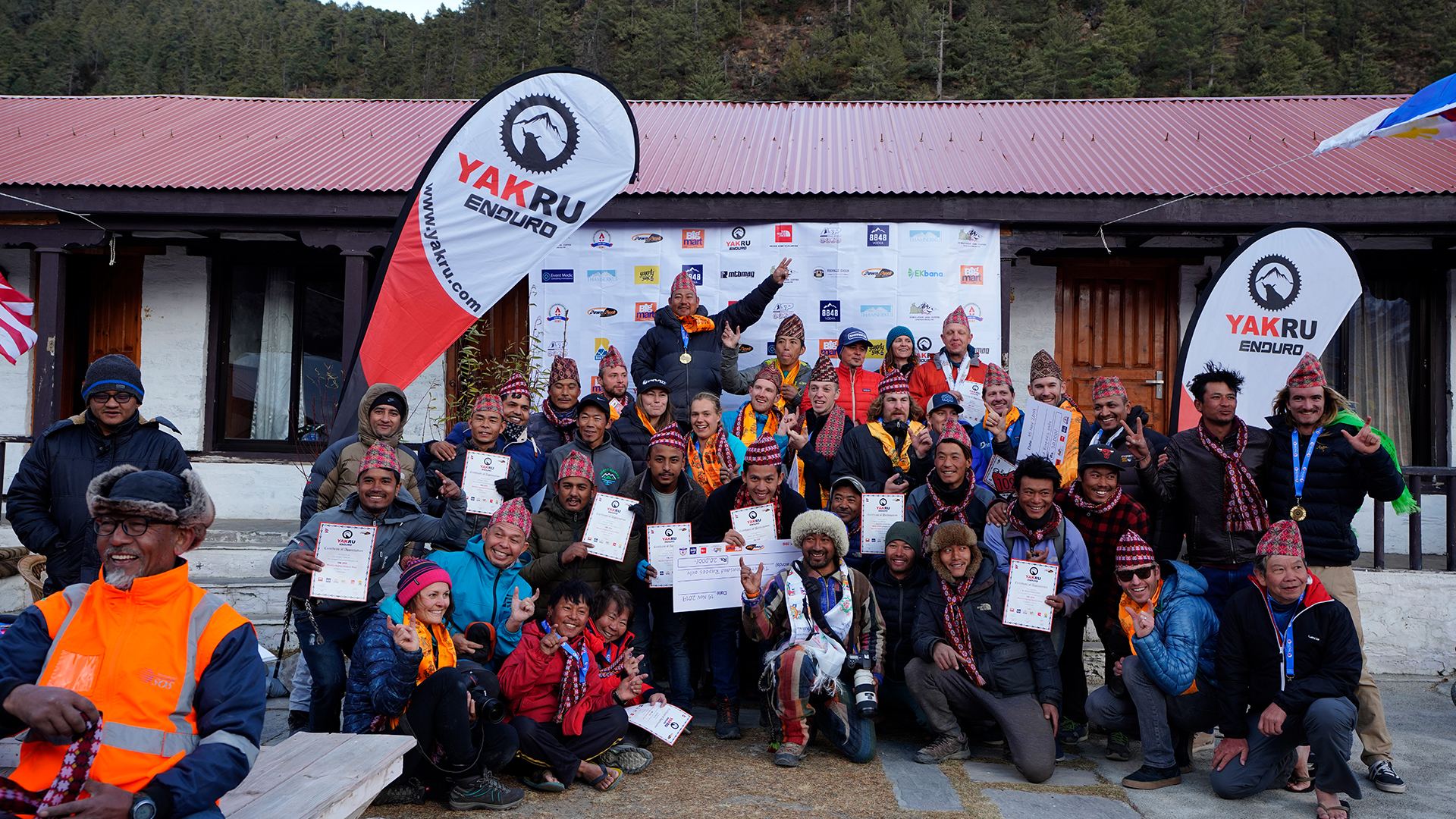
Riders who made the trip
Entry and what it costs
USD2,900
Everything included for every rider. Early bird entry is USD 1,700 while slots last, paid in full. A USD 600 deposit secures your place.
Email usHow entry works
- Email us to request an entry.
- We reply within three days to tell you if you are in.
- Accepted riders have up to two weeks to pay in full.
Entries cannot be transferred, or deferred to another year.
If you cannot come
| Email us | Refund |
|---|---|
| Up to 3 months before the event | 50% |
| Up to 1 month before the event | 25% |
| Within 1 month of the event | None |
Some travel insurance covers the entry fee if you cannot take part. We recommend a policy that does.
Why the race exists
The Annapurna Circuit once took three weeks on foot. Jeep roads now reach Manang and Muktinath, and trekkers spend less than half the time in the region. Hydropower dams add pressure on the villages and valleys along the way.
Our answer was to send people back onto the old, forgotten trails. From 2014 to 2016 we ran a cross country race called the Yak Ru Annapurna Challenge. The enduro race grew out of it, and it passes through Ghyaru, one of the most unspoiled villages on the circuit. Ghyaru is the traditional Tibetan name for yak horn, and the race takes its name from it.
I am delighted to welcome you to my native village of Ghyaru. We find more untouched trails every year and show them off at our year end race.
Chhimi U. GurungCo-founder
Whether you are an expert athlete or a novice, our tours and races will suit you. We want you to take in the cultures and traditions of Nepal while you ride big mountains.
Sunil C. SharmaCo-founder
Help run the race
Volunteering is a good way to see Nepal and its high country. Each team has a job, and they work together to run the race year after year.
- Photographers
- Three to five people who document the race from the first start to the last finish.
- Medics
- Follow the race on two wheels and look after riders and staff. Wilderness first responder training or high altitude experience is preferred.
- Moto X riders
- Skilled motorcyclists who support the race crew on race days.
- Trail builders
- Scout trails and build them sustainably, several weeks before the race.
Questions riders ask
Why only 40 riders?
Forty is the most our convoy can carry between Kathmandu and Manang, and through the event itself. That covers uplift vehicles, hotel and guesthouse beds, and safety cover. The remote, rugged ground leaves no room for more.
Can a friend or partner come along?
Yes. Friends and family are welcome, and they receive the same services as racing riders at the same cost. Companions can ride the acclimatization ride and the group ride, travel with the 4WD vehicles, or hike up to the stages with the marshals and safety teams.
Everyone follows the directions of marshals, safety and medical staff, so the event and the riders stay safe.
What is the weather like?
The drive out of Kathmandu is humid and warm, up to about 20 degrees Celsius. Up in the alpine race area, bad weather can bring temperatures down to minus 8 degrees Celsius or lower, before wind chill. October and November are the most stable months in the Annapurnas, but sudden cloud, rain, hail, blizzards or storms can still arrive.
Do I need a visa for Nepal?
Nearly all nationalities do, except Chinese and Indian citizens. You can get a visa on arrival at Tribhuvan International Airport (KTM), or apply online first. A 15 day visa has been USD 30 and a 30 day visa USD 50. Please check the current fees and rules before you travel.
How do I get from the airport to the event?
Kathmandu is the only international airport in Nepal, and many flights connect through another city. We arrange free vehicle transfers from the airport to the official event accommodation on arrival day, and back to the airport after the event. If you arrive early or stay longer, tell us in advance and we will help with your plans.